
2026-09-18 · Dave Larson
Why Sump Pumps Struggle After Heavy Snowfall Near the Grand River
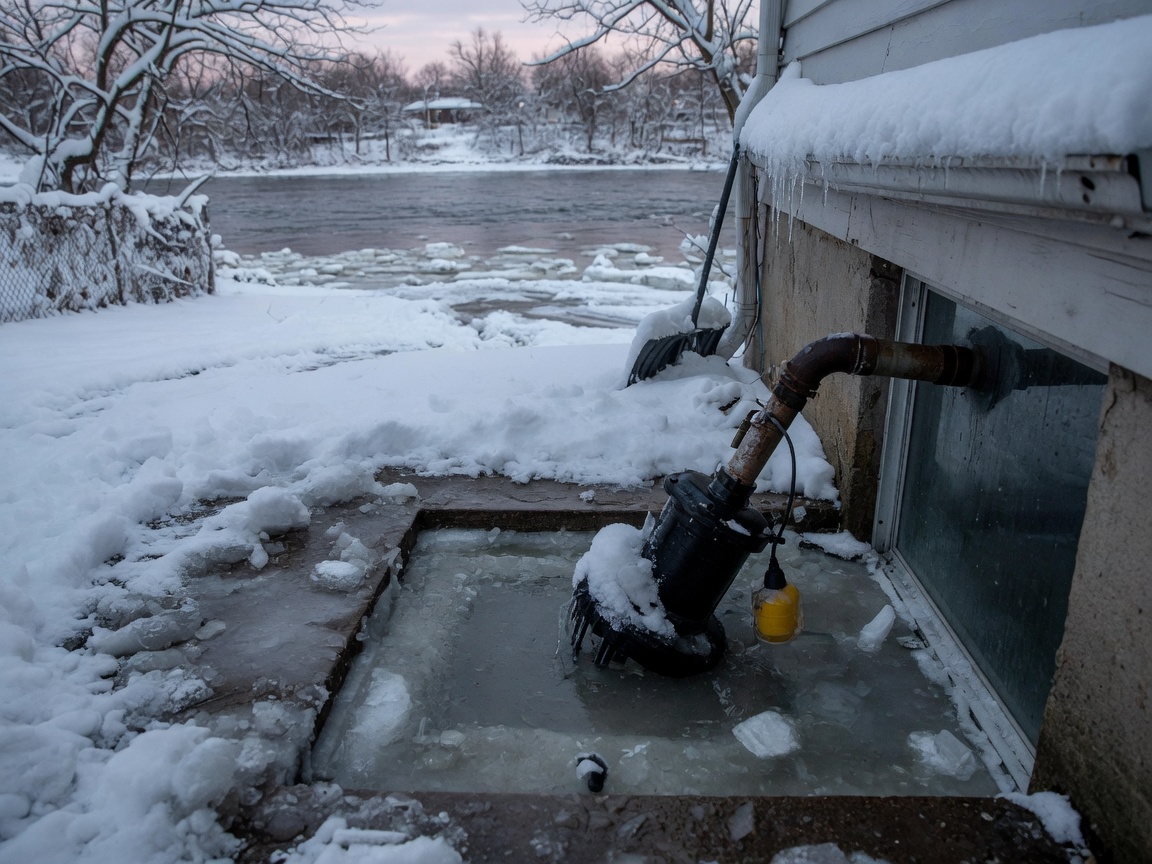
Heavy snowfall near the Grand River in Grand Rapids often leads to sump pump struggles within days of a thaw because sudden meltwater raises the water table faster than many systems can handle, especially in low-lying zones along the river corridor.
Rapid Snowmelt and Groundwater Rise
Four distinct seasons bring cold snowy winters that dump several feet of accumulation across Kent County, followed by warm spells that trigger fast melt. Near the Grand River, this water has limited places to go because clay-heavy soils hold moisture and slow drainage. In neighborhoods such as Heritage Hill and the North End, older basements sit close to this rising groundwater, so pumps must run continuously for hours or days. When discharge lines freeze or clog with slush, water backs up and the motor overheats. Homeowners in Eastown and Creston see the same pattern after storms that drop more than eight inches, because the river level climbs and pushes subsurface water into foundations built before modern waterproofing standards.
Local Terrain and Housing Factors
The terrain around the Grand River features gentle slopes that funnel melt toward lower streets in the Westside and South East End. Many homes in these areas date to the early 1900s with stone or block foundations that allow seepage once the water table climbs. In nearby cities like Kentwood, Wyoming, and Walker, newer subdivisions on filled land face similar issues when heavy snow melts because compacted soil directs water toward sump basins. Pumps sized for average spring rain often cannot keep up with the concentrated volume that arrives after a big snow event, leading to short cycling and premature wear on the float switch and impeller.
Common Failure Points After Thaw
Discharge lines that exit above grade frequently freeze during the night after a warm day, trapping water inside the pipe and forcing the pump to work against a closed system. In Downtown and Uptown properties, shared drainage or narrow lots leave little room for proper sloping away from the house, so meltwater pools near the foundation. Battery backup units help during power outages that often accompany heavy snow, yet many systems lack them and fail when the primary pump cannot restart. Regular inspection of the check valve and pit cover before winter reduces the chance of debris or ice blocking operation once the thaw begins.
Practical Steps for Grand Rapids Homeowners
Check the sump basin for sediment buildup in late fall so the pump can move water freely when snowmelt arrives. Ensure the discharge line runs at least ten feet from the foundation and slopes downward to prevent refreezing near the house. For homes near the Grand River in Heritage Hill, upgrading to a battery backup sump pump system provides continuous operation during outages common after winter storms. Older units approaching eight to twelve years should be evaluated for sump pump replacement before the next heavy snow season. Review discharge and drainage details in advance with the guide on inspecting your sump pump before winter hits Grand Rapids to avoid mid-thaw emergencies.